


By Adnan Adams Mohammed
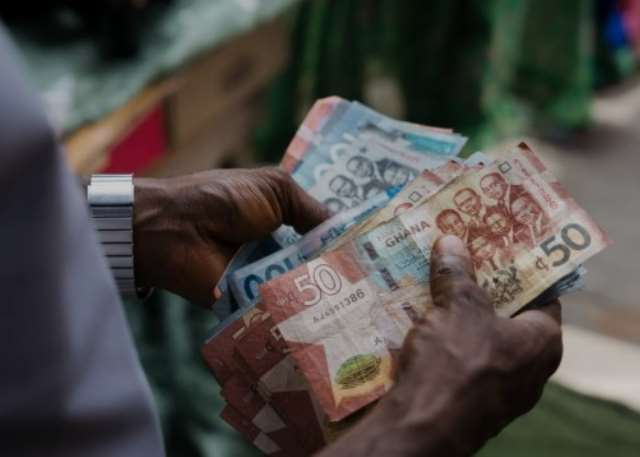
The Bank of Ghana (BoG) has signaled potential “downside risks” to the Ghana cedi in the coming weeks, warning that significant dividend payments scheduled for February and March 2026 could trigger a surge in foreign exchange demand.
The warning, contained in the Central Bank’s January 2026 Monetary Policy Report, follows a year of historic gains for the cedi. In 2025, the local currency performed a dramatic U-turn, appreciating by 40.67% against the US Dollar, 30.89% against the Pound, and 23.97% against the Euro. This marked a complete reversal from the 2024 slump, where the cedi depreciated by nearly 20% against the dollar.
The dividend pressure cooker
As multinational companies and large corporations prepare to repatriate profits to foreign shareholders, the demand for dollars typically spikes. The BoG notes that while the cedi remained relatively stable in early 2026, these looming seasonal outflows combined with demand from the energy, commerce, and manufacturing sectors pose a threat to its recent resilience.
Other risks identified by the Bank include gold price volatility in the form of a potential drop in global gold prices if geopolitical tensions ease; and strengthening global conditions as a stronger US dollar could pull investors away from emerging market currencies.
Despite these hurdles, the BoG remains optimistic about the near term. Stability is expected to be bolstered by a strong reserve buildup (reaching US$13.8 billion at end-2025), IMF loan tranches, and the proposed 2026 Government Infrastructure Bonds.
Industry pushback: Why prices aren’t dropping
While the cedi’s 2025 performance was a boon for the macroeconomy, consumers have yet to see a significant drop in the cost of goods. The Association of Ghana Industries (AGI) explains that the recovery process for manufacturers is far from over.
Speaking on Joy News’ PM Express Business Edition, AGI President Dr. Kofi Nsiah-Poku cautioned that manufacturers are still recouping heavy losses sustained during the currency’s collapse in 2024.
“At the time the dollar was very high, I was making losses. Now that the dollar price is low, I have to recover those losses,” Dr. Nsiah-Poku stated.
He highlighted three critical reasons for the price “stickiness”:
Credit Economy Risks: Goods are often sold on credit with 3-4 month payment cycles. Manufacturers fear that if they lower prices now and the cedi depreciates by the time they are paid, they will be unable to restock.
High Utility Costs: Electricity and water tariffs remain high, offsetting the savings gained from a stronger currency.
Sustainability Doubts: Industry players remain unconvinced that the current economic robustness is permanent.
Economic Indicators at a Glance
Indicator- 2024 Performance -2025 Performance
Cedi vs USD -19.18% Depreciation -40.67% Appreciation
Gross Int. Reserves -US$9.1B -US$13.8B
Inflation (April) -~23% – ~12% (Projected)
Real GDP Growth – 5.8% – 6.1% (Q1-Q3)
Dr. Nsiah-Poku urged the government to align utility tariffs with the stronger cedi to help lower production costs. Until then, he says, manufacturers will remain “very careful” about price reductions to protect their businesses from future volatility.
