


By Adnan Adams Mohammed
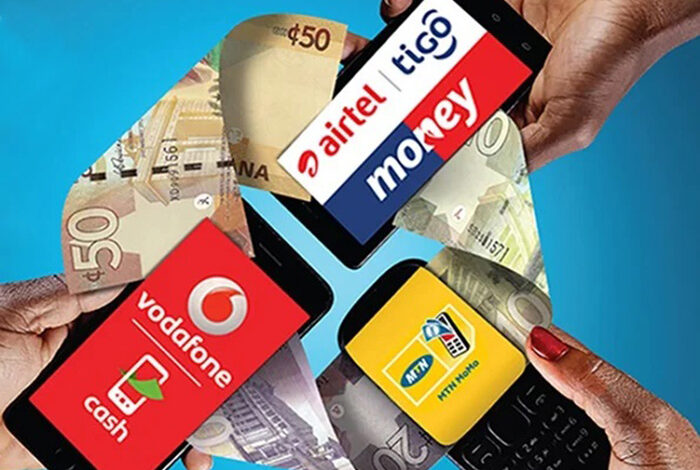
Ghana’s transition toward a “cash-lite” society has hit a massive new milestone, with the total value of mobile money (MoMo) transactions skyrocketing to GH¢447.4 billion by the end of February 2026.
The latest Summary of Economic and Financial Data from the Bank of Ghana (BoG) reveals an unprecedented appetite for digital payments, as citizens and businesses increasingly abandon physical cash in favor of the speed and security of mobile platforms.
The GH¢447.4 billion figure represents a significant jump from previous quarters, signaling that the mobile money ecosystem is no longer just for person-to-person transfers. It has evolved into the primary engine for retail payments, utility settlements, and even high-value business transactions.
Key drivers of the growth:
● Merchant Integration: Thousands of small and medium enterprises (SMEs) across the country have integrated MoMo as a standard payment option.
● Interoperability Success: The seamless movement of funds between different networks and bank accounts has reduced friction for users.
● Government Digitalization: The mandatory use of digital channels for statutory payments—such as taxes, port charges, and passport fees—has forced a rapid adoption curve.
The “Ghanapay” and fintech factor
Beyond the traditional telecom providers (MTN, Telecel, and AT), the emergence of Ghanapay the banking industry’s unified mobile money service has added a new layer of competition and liquidity to the market.
“What we are seeing is the democratization of banking,” said a digital finance analyst in Accra. “With GH¢447.4 billion moving through these pipes in just two months, it’s clear that the mobile phone has become the most important financial tool in the average Ghanaian’s pocket.”
Implications for monetary policy
For the Bank of Ghana, this surge provides a double-edged sword. While it enhances financial inclusion, the sheer volume of “digital float” requires sophisticated monitoring to manage liquidity within the broader economy.
The BoG has noted that the rise in MoMo usage has contributed to the stability of the Cedi by reducing the demand for physical cash and allowing for more transparent tracking of the money supply. However, it also places a premium on cyber.security, as the platform is now a critical piece of national infrastructure.
The MoMo Momentum (Jan–Feb 2026)
Metric Value / Status
Total Transaction Value GH¢447.4 Billion
Active Mobile Money Accounts ~24.5 Million
Year-on-Year Growth ~32%
Top Usage Categories Retail, Utilities,P2P Transfers
Challenges: the E-Levy and fraud
Despite the record-breaking numbers, the sector still faces hurdles. Discussions regarding the E-Levy continue to trend on social media, with some users calling for further rate adjustments to encourage even higher transaction volumes.
Additionally, the Bank of Ghana and the Ghana Chamber of Telecommunications have intensified their “No PIN Sharing” campaigns as fraudsters attempt to capitalize on the increased flow of digital wealth.
The road ahead
As the first quarter of 2026 draws to a close, the GH¢447.4 billion benchmark suggests that Ghana is well on its way to becoming a regional leader in fintech. With the upcoming launch of the Digital Cedi (eCedi) pilot expansion, the lines between traditional banking and mobile money are expected to blur even further, cementing Ghana’s status as a digital-first economy.
