



Fouziya Abdul Latiff
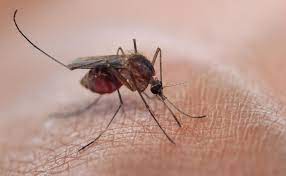
A new mosquito vector called Anopheles stephensi known in India has been confirmed in Ghana by the Ghana Health Service (GHS).
Anopheles stephensi is a primary mosquito vector of malaria in urban India and is included in the same subgenus as Anopheles gambiae, the primary malaria vector in Africa.
Anopheles stephensi is a mosquito species that is capable of transmitting both Plasmodium falciparum and P. vivax malaria parasites. Unlike the other main mosquito vectors of malaria, it thrives in urban settings. Originally native to parts of South Asia and the Arabian Peninsula, An. stephensi has been detected over the last decade in 5 countries in the African continent.
The new vector was confirmed in March 2023 from samples taken in Tuba and Dansoman in the Greater Accra region as part of the
During a routine malaria surveillance system and vector control monitoring done across the country through designated sentinel sites, with samples taken in some urban areas in the Greater Accra region, such as; Tuba and Dansoman, discovered traces of the new vector was confirmed in March this year.
According to the World Health Organisation (WHO), the Anopheles stephensi is a mosquito species that is capable of transmitting both Plasmodium falciparum and P. vivax malaria parasites. Unlike the other main mosquito vectors of malaria, it thrives in urban settings. Originally native to parts of South Asia and the Arabian Peninsula, An. stephensi has been detected over the last decade in 5 countries in the African continent.
In a press statement to announce the confirmation of the presence of the vector in Ghana, GHS educated that, the Anopheles stephensi is a unique vector known to breed in a myriad of sources such as ponds, swamps, marshes, artificial containers and other man-made container spots. It can practically breed in almost all water sources, some of which are not the traditional breeding sites of the common Anopheles species, particularly in urban areas.
“The vector can also survive in extremely high temperatures during the dry season when malaria transmission usually declines. It is known to spread fast and adapt to different climatic conditions posing challenges to its control”, the statement noted one of the strength of the new vector.
GHS thereby called on the public to ensure “the removal of water collection point in and around their homes and communities to minimize the breeding sites for this new mosquito species and also cover all water containers to avoid mosquito breeding.”
It further advised households to use insecticide-treated nets to protect themselves against indoor mosquito bites, the use of repellents and protective clothing that protects against mosquito bites and to screen doors and windows of rooms.
The WHO has expressed worry about where the vector is predominant, in the urban areas where population is saturated.
“The invasion of An. stephensi in sub-Saharan Africa – where the burden of malaria is highest and over 40% of the population lives in urban environments – is particularly worrying.”
In a 2019 vector alert, the World Health Organization (WHO) identified the spread of An. stephensi as a significant threat to malaria control and elimination – particularly in Africa.
This new WHO initiative, launched in September 2022, aims to stop the further spread of An. stephensi in the region and to determine whether it can be eliminated from areas that have already been invaded.
