



By Abida Bawa Harun
Back pain is one of the world’s biggest health problems, and unfortunately, it is becoming increasingly common.
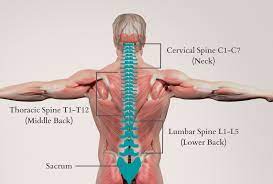
The spine contains vertebrae,in between the vertebrae we have the disc, when there’s trauma to the disc is causes sharp, dull or aching pain in the back.
The following statistics show how common back pain is, its detrimental effects, and the huge cost it places to society and individuals. Take a look at these shocking back pain statistics.
Globally, 540 million people suffer from back pain at any given time; 8 out of 10 people in the United States experience back problems at least one or more times; 50% of all Americans that are employed, about 80 million workers, claim to have back pain every year; and Chronic back pain will develop in 5% of people that are struggling with mild symptoms at the onset among others.
According Cross River Therapy, 80 percent of Americans experience back problems at least one or more times during the year. Around 8% of the population 18 and older, have chronic back pain to the point of their activities becoming extremely limited.
Also, World Health Organization (WHO) Musculoskeletal health infostats indicates that; Lifetime prevalence of low back pain (LBP) is reportedly 75-84% of the general population studied in developed countries, which includes working individuals, but also includes individuals who disabled and are not employed.
The National Center for Biotechnology Information estimates that, some 16 million adults (8 percent of all adults) experience persistent or chronic back pain, and as a result are limited in certain everyday activities. Back pain is the sixth most costly condition in the United States.
Risk Factors
Age: Back pain is more common with age, starting around age 30 or 40.
Lack of exercise: Weak, unused muscles in the back and abdomen might lead to back pain.
Excess weight: Excess body weight puts extra stress on the back.
Improper lifting.
Causes of back pain
Repeated lift can cause muscle strain.
Bulge or herniated disc.
Arthritis can lead to narrowing around spinal causing pain.
Prevention
Avoid driving for long distance, rest in between and stand to relieve pressure on the spine
Too much sitting can put pressure on the alignment of the spine, so get up and walk around.
Learn core muscle exercise to strengthen your core muscles.
Learn proper posture.
Use proper chairs in offices to support your spine.
The author is a clinical nursing officer and health wellness advocate
