


By Adnan Adams Mohammed
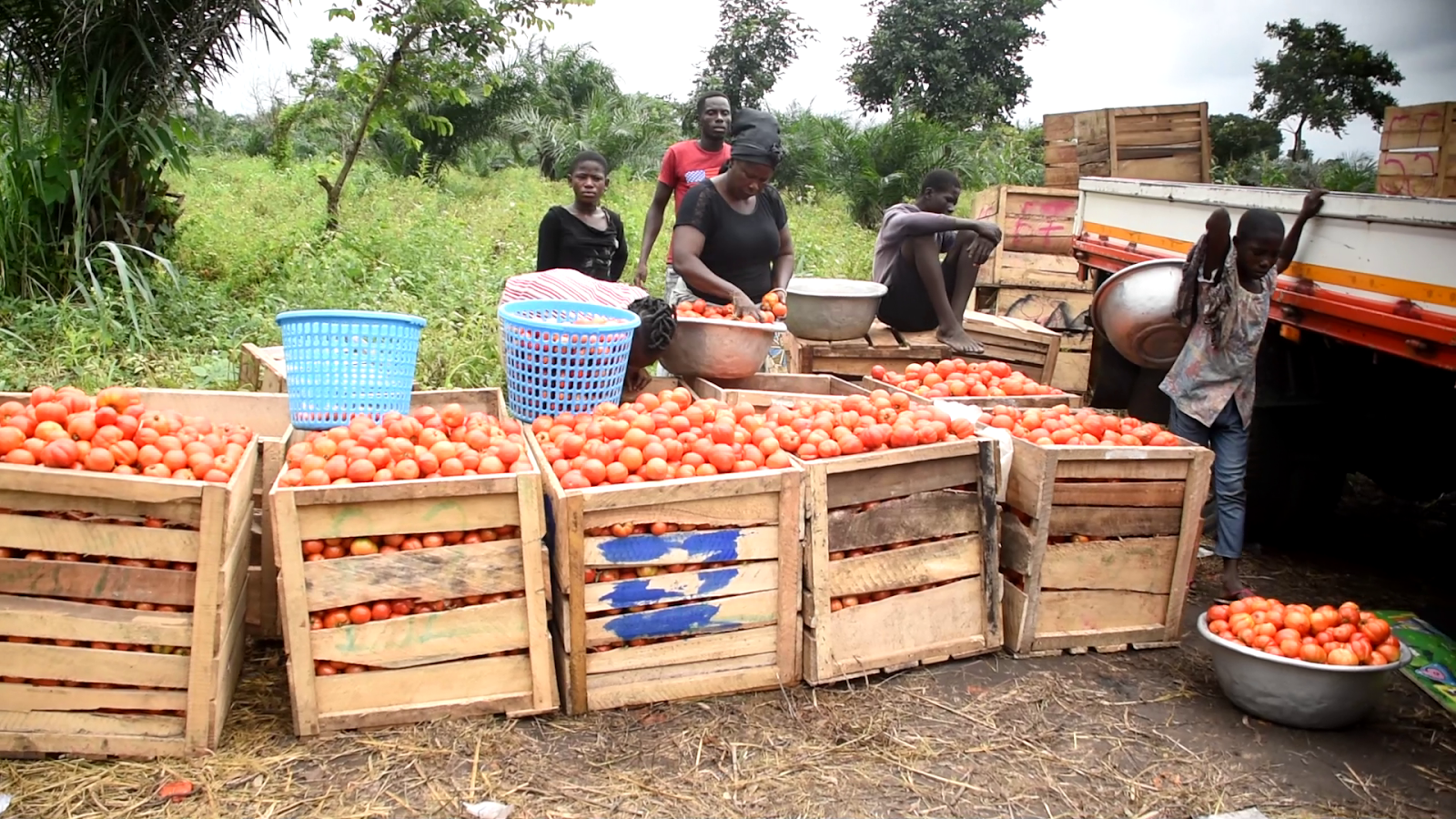
For decades, the “tomato track” the dusty highway stretching from Burkina Faso’s fertile plains to Ghana’s bustling markets has been the literal lifeline of the Ghanaian kitchen. But as of this week, that lifeline is being rewired.
Following a recent ban on tomato exports by Burkina Faso, the Bank of Ghana (BoG) and the Ministry of Food and Agriculture (MoFA) have signaled a definitive pivot. What was once seen as a supply crisis is now being framed as a multi-million-dollar economic opportunity: the “Golden Reset” for Ghana’s vegetable sector.
The US$21 million war chest
To move beyond rhetoric, the government has deployed a US$21 million (about GHc 336 million) intervention package. Unlike previous subsidies that often evaporated before reaching the farm gate, this funding is surgically targeted at the three “Tomato Hubs” of the Ashanti, Bono, and Upper East regions.
The strategy is focused on three critical pillars:
Breaking the Seasonality: To prevent the “dry season” price hikes that see a single crate of tomatoes skyrocket in cost, the government has commissioned the drilling of 250 industrial-grade boreholes. These will provide consistent irrigation, allowing farmers to produce year-round rather than waiting for the mercy of the rains.
Climate-Smart Inputs: MoFA is distributing pest-resistant, high-yield seeds to 50,000 registered farmers. These varieties are specifically chosen to survive the increasing heat waves of the Sahelian border regions while producing the firm, juicy fruit favored by Ghanaian consumers.
The Processing Gap: Currently, Ghana loses nearly 30% of its local yield to post-harvest rot. A portion of the US$21 million is being funneled into revitalizing local processing factories, ensuring that “excess” harvest is turned into paste rather than waste.
A call to backyard arms
Perhaps the most radical element of the 2026 strategy is the Urban Gardening Initiative. Under the slogan “Grow Your Own,” the Ministry is appealing to the civic duty of city dwellers in Accra, Kumasi, and Tamale.
“If 20% of urban households grew even two pots of tomatoes on their porches, we would effectively neutralize the supply shocks we face during border closures,” a MoFA official noted. The initiative isn’t just about food; it’s about the Cedi. By reducing the national demand for imported vegetables, the government aims to save millions in foreign exchange, helping to stabilize the currency.
The ‘BoG view’: economic sovereignty
The Bank of Ghana has been uncharacteristically vocal about the tomato sector. Central bank analysts argue that the Burkina Faso ban, while painful in the short term, offers a “structural exit” from a bad habit.
“Every dollar spent on a Burkinabe tomato is a dollar that could have bolstered our own reserves,” a BoG source stated. The central bank sees the US$21 million investment as a vital component of inflation control. Since food makes up a massive portion of the Consumer Price Index (CPI), stabilizing tomato prices is equivalent to stabilizing the national economy.
Voices from the market
At Makola Market, the reaction is a blend of hope and “wait-and-see” pragmatism. Auntie Araba, a wholesaler who has dealt in tomatoes for thirty years, welcomes the 250 boreholes but points to the floor.
“Water is good, but wheels are better,” she says. “If the government builds the boreholes but doesn’t fix the feeder roads in the Upper East, the tomatoes will still rot in the trucks. We need the ‘farm-to-market’ roads to be part of this US$21 million plan.”
The administration has responded by highlighting the 2026 “Big Push” infrastructure budget, which specifically earmarks funds for rural feeder roads to ensure the “Red Revolution” actually reaches the urban dinner table.
A test of resilience
As the first boreholes begin to pump water in the Upper East this month, the stakes could not be higher. If the “Golden Reset” succeeds, Ghana will have transformed a supply shock into a blueprint for food sovereignty. If it fails, the country remains at the mercy of regional politics and the long, expensive “tomato track.”
For now, the message from the Ministry is clear: whether you are a commercial farmer with an industrial pump or a tenant with a plastic pot on a balcony, the future of Ghana’s food security is in your hands.
