


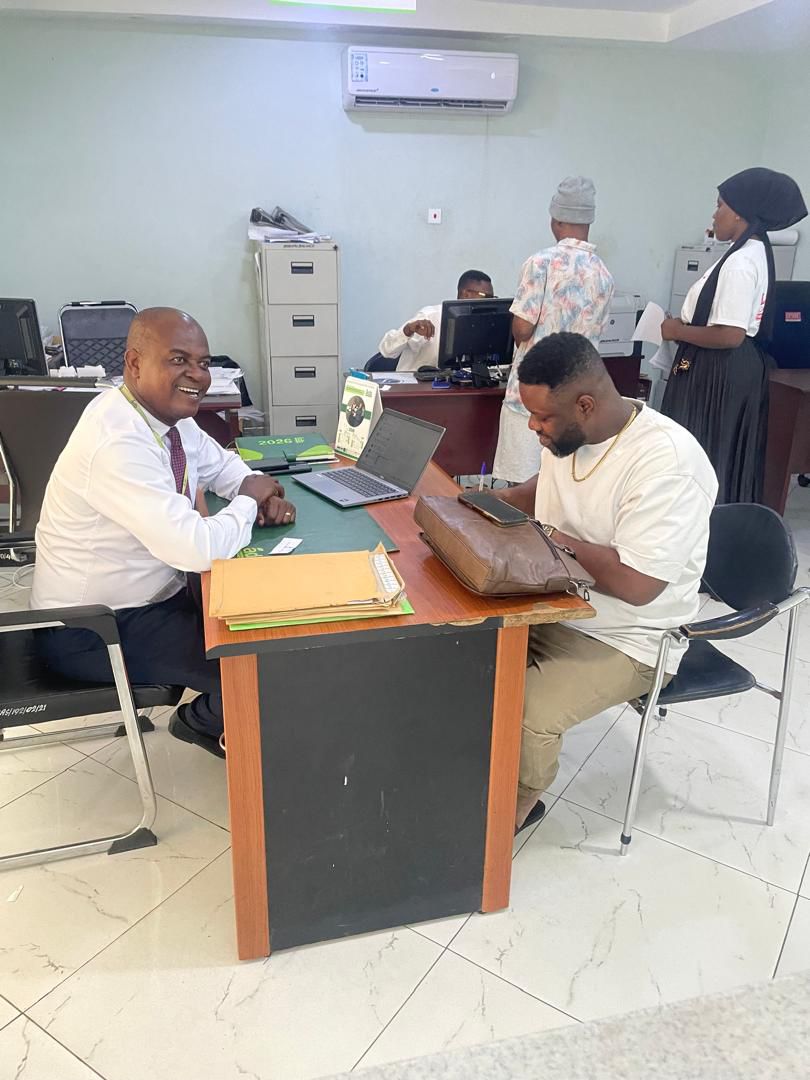
In a move aimed at bolstering economic opportunities for the grassroots, the National Democratic Congress (NDC) Central Regional Organiser and Presidential Staffer, Chief Michael Dery, held a high-level working meeting with his deputy, Joseph Mensah Abakah, on Tuesday.
The meeting, held at the Agricultural Development Bank (ADB) PLC, where Mr. Abakah serves as the Coordinator in charge of Micro, Small, and Medium Enterprises (MSMEs), focused on bridging the gap between political leadership and economic self-sufficiency for party faithful.
A Vision for “Red Gold” and Coconut Plantations
The core of the discussions centered on identifying viable business models that could empower grassroots members to venture into productive economic activities. Chief Dery and Mr. Abakah explored the acquisition of large tracts of farmland to launch massive agribusiness initiatives.
Two primary crops were identified as high-yield, sustainable options:
● Dwarf Coconut Plantations: Known for their resilience and high market demand.
● “Red Gold” (Oil Palm): A strategic commodity with a relatively short gestation period.
The leaders noted that these plantations have an estimated harvesting window of approximately 36 months, offering a medium-term path to financial stability for participants.
Unity and Grassroots Confidence
Beyond the technicalities of agribusiness, the visit served as a visible demonstration of unity within the Central Regional executive arm. Observers noted the strong sense of comradeship between the Organiser and his deputy, a factor party insiders say is crucial for inspiring confidence as the political season intensifies.
“Such initiatives, when realized, could create sustainable opportunities for many grassroots supporters while contributing significantly to local economic development,” a source close to the meeting disclosed.
Leveraging Financial Expertise
By meeting at the ADB, the leaders signaled an intent to leverage professional financial insights into MSME management. Mr. Abakah’s role at the bank provides a strategic vantage point for understanding how small-scale farmers can access credit, technical support, and value-chain integration.
The proposed farming projects are expected to act as a blueprint for localized economic development, potentially transforming the Central Region into a hub for specialized perennial crop production.
